How often should sliding doors be serviced in Florida?
For coastal homes we recommend a professional service about once a year — more often within a few blocks of the water, where salt exposure is heaviest. Between visits, keeping the track vacuumed and free of debris is the single best thing you can do, and we show you exactly how during the visit.
What does a maintenance visit include?
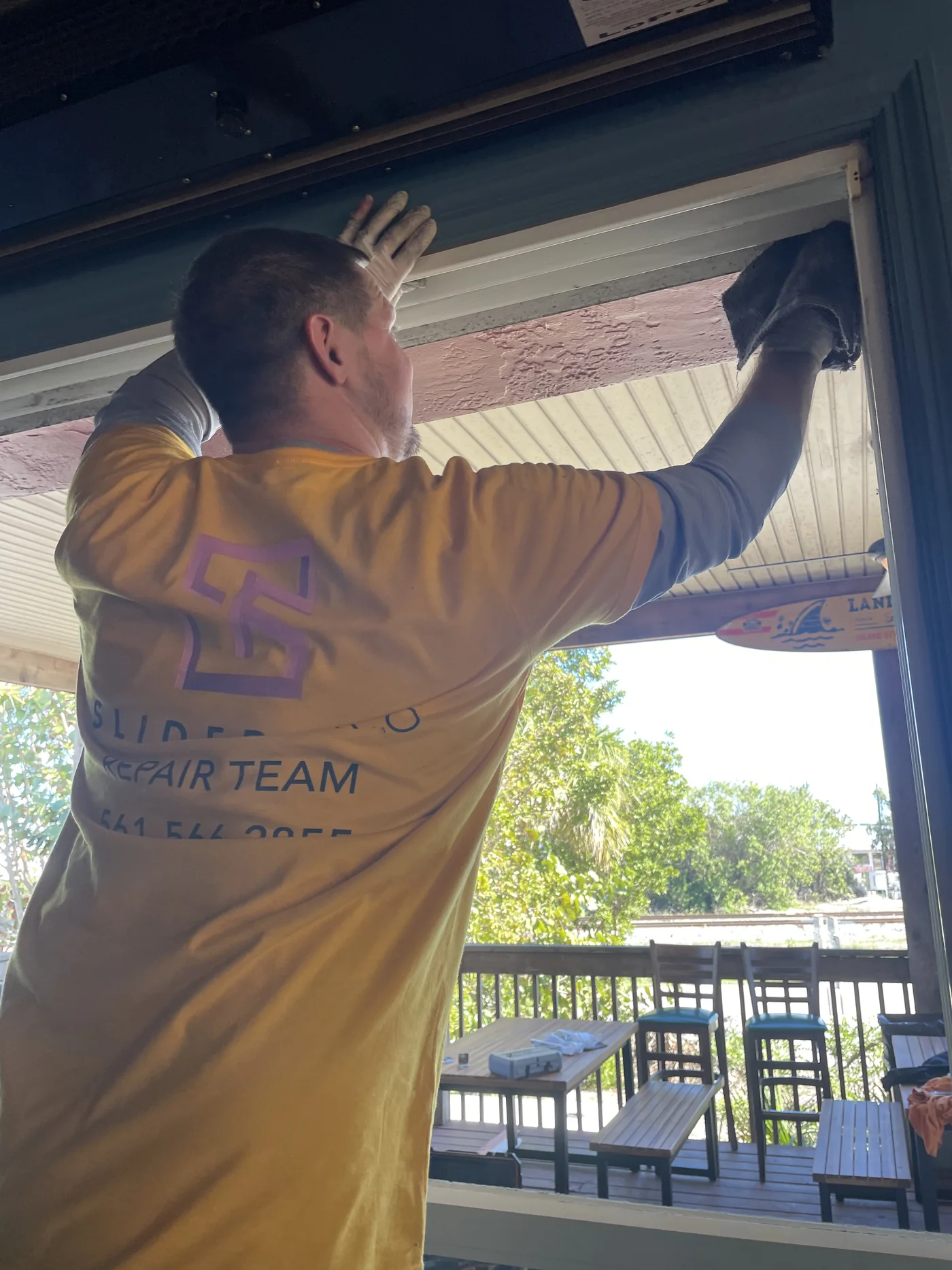
A full clean of surfaces, frames, and tracks — removing the door when necessary for a proper deep clean — followed by lubrication of rollers, hinges, and moving components, track inspection and upkeep, alignment checks, and a final inspection with honest advice on anything we spot developing.
Is maintenance really cheaper than just fixing things when they break?
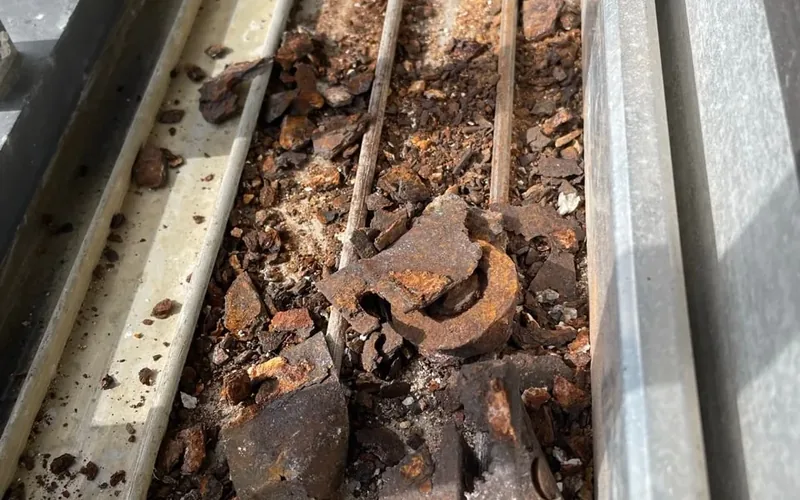
Substantially. A seized roller that's been grinding for months usually takes the track with it, and a door that drops out of alignment stresses the lock and frame. Early detection during routine maintenance means small, inexpensive corrections instead of major repairs.
Do you offer recurring maintenance plans?
Yes — we offer customized maintenance plans for homes and rental properties, scheduled around your needs. One visit covers every slider in the house, and plan customers get priority scheduling when something does go wrong.
Do I need a tune-up if the door still slides fine?
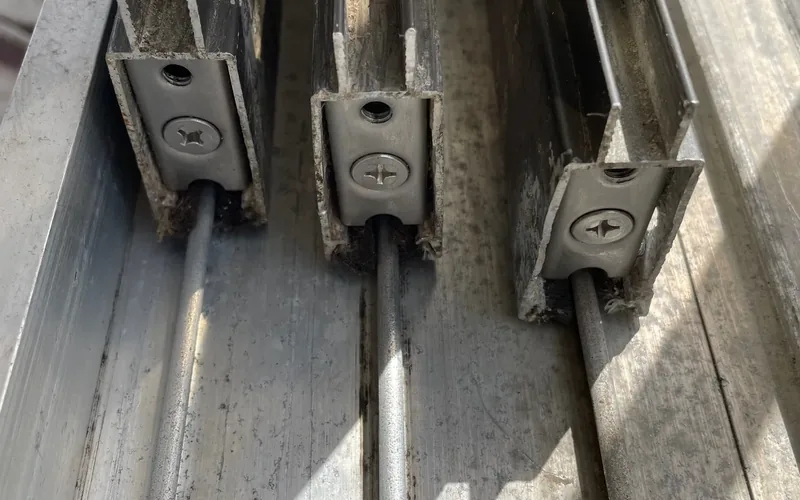
That is exactly when it is worth doing. By the time a door feels heavy, the bearings have usually already pitted and flattened, which is a parts job rather than a service. Maintenance works because it removes the abrasive and the damp salt film before they cause damage you can feel. There is also a practical benefit to the inspection itself: a technician who runs the door, checks the lock against its keeper and looks at the sill will spot the fault that is six months out, when it is still a small correction rather than a roller and track replacement.
How long does a maintenance visit take?
It depends on how many doors there are and what condition they are in, so tell us the count when you book rather than at the door. A single slider in reasonable shape is quick. A house with four or five sliders, a couple of sliding windows and a screen door is a longer visit, and doors that need lifting out for a genuine deep clean add time to each one. Heavily silted tracks and seized hardware also slow things down, which is one more argument for a regular interval rather than a rescue visit every few years.
Will a tune-up fix a door that has already dropped or jumps the track?
No, and we would rather say so before the visit than after. A door that drops, jumps or grinds has usually lost the bearings in one or both rollers, and cleaning and lubricating a collapsed bearing changes nothing except how it sounds for a week. What a maintenance visit will do in that situation is tell you exactly what it needs and whether the sill has been damaged as well, so the repair gets quoted properly. Rollers caught at that stage are still just rollers. Left longer, the wheel cuts the track and you are paying for both.
Is it worth maintaining a 1970s or 80s aluminum door, or should we replace it?
Sometimes it genuinely is not, and we will tell you which one you have. Doors from that era are thin-railed mill-finish aluminum with single-pane glass and hardware that is often out of production. If the sill is worn through, the adjustment screws are seized and the lock body has corroded internally, maintenance is money spent propping up a unit at the end of its parts supply. If the frame is sound, servicing it is worth doing and these doors are light, which is kind to rollers. We do not sell replacement doors, so that recommendation costs us work rather than earning it.
Do you service sliding screen doors and sliding windows in the same visit?
Yes, and it makes sense to do them together. Screen doors run on the same track assembly and fail from the same causes, with the added problem that sunlight breaks down the mesh coating over time until it goes chalky and brittle. Sliding windows are the same machine at smaller scale: rollers or slide pads wear, the sash drops, the latch stops meeting its keeper and the weep holes silt up. Give us the full count of doors, screens and windows when you book so the visit is scheduled with enough time on it.
We are only here for the winter. When should we book the visit?
Either shortly before you close the house up, or in the first weeks after you return. Seasonal doors fail during the vacancy, not during your season: five months without movement lets corrosion set in the bearing race at the one contact point carrying the load, while the track silts up and the weep holes block through storm season. A close-up service leaves less for the summer to work with. An open-up service catches whatever set, before anyone forces a stuck door. Also ask whoever checks the house to slide every door a few times a month. It costs nothing and prevents most of it.
How do you price a maintenance visit?
You get the number before any work starts, and it is driven by four things: how many doors, screens and windows are included, how long it has been since the last service, whether panels need to come out for a genuine deep clean, and the condition we find. A house that is on an annual interval is a shorter, cheaper visit each time than one rescued every five years, which is most of the argument for staying on a schedule. If the inspection turns up an actual repair rather than service work, we separate the two on the quote and you decide what goes ahead.
Does maintenance actually help with drafts and cooling bills?
It helps more than people expect, because most sliding door air leakage is mechanical rather than a glass problem. When rollers wear, the panel drops and tilts, so it no longer meets the jamb squarely and the weatherstripping loses contact along part of its length. That opens a thin gap down the full height of the door. Correcting the roller height, realigning the panel and cleaning the gasket seat brings the seal back into contact, and a lock that engages properly pulls the panel tight against the frame. Our energy efficiency guide covers the leak test you can run yourself.