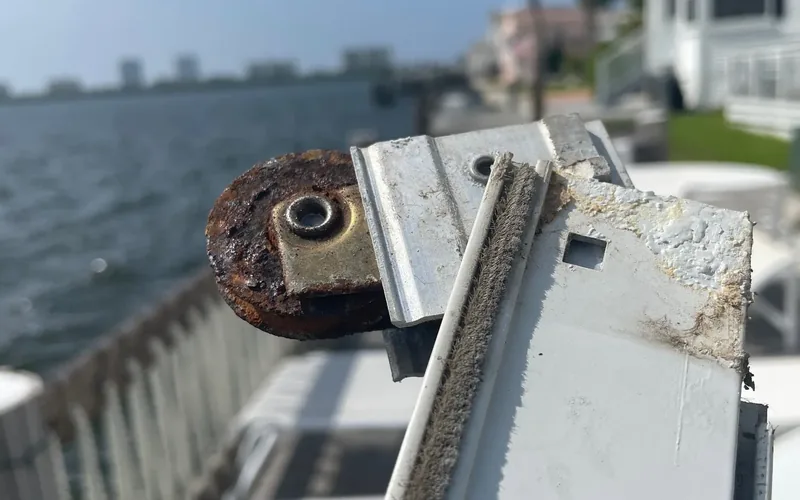
Roller Replacement
Doors that stick, grind, or jump the track almost always come down to worn rollers. We replace them with heavy-duty stainless rollers so your door glides with one finger again.
Learn more
SliderPro is a repair-first company. Before anyone talks about replacing a door, we look at what a proper repair can do — because nine times out of ten, quality parts and expert hands bring a door back to like-new for a fraction of the cost.
Most repairs start at $275, including parts, labor and a 1–3 year warranty.
Doors that stick, grind, or jump the track almost always come down to worn rollers. We replace them with heavy-duty stainless rollers so your door glides with one finger again.
Learn more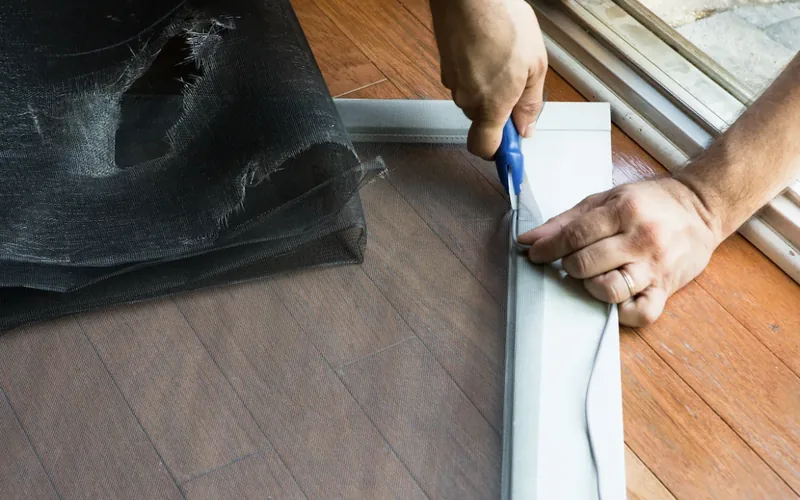
Torn, sagging, or sun-rotted screens re-fabriced in your existing frames — a fraction of the cost of replacement, and the bugs stay outside where they belong.
Learn more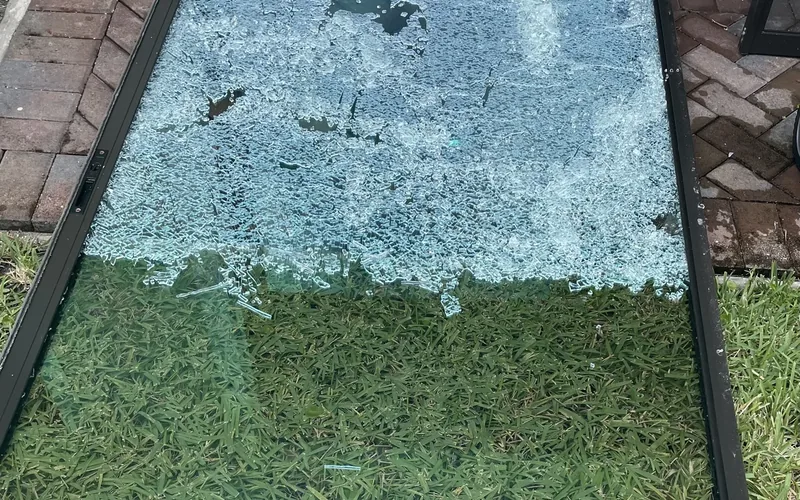
Broken pane or years of salt-air film? We handle safe glass removal, deep cleaning, and detailing so your doors and windows look brand new again.
Learn more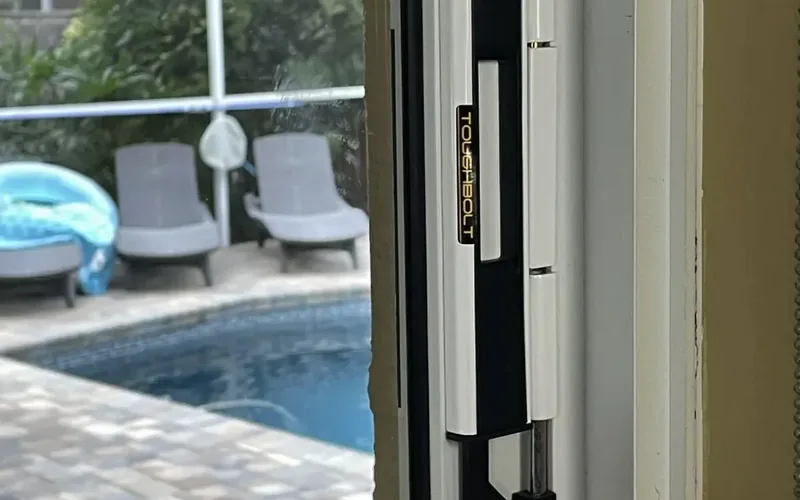
A factory latch is not a lock. We install true deadbolts and secondary locks engineered for sliding doors, so the easiest entry in your home becomes the hardest.
Learn more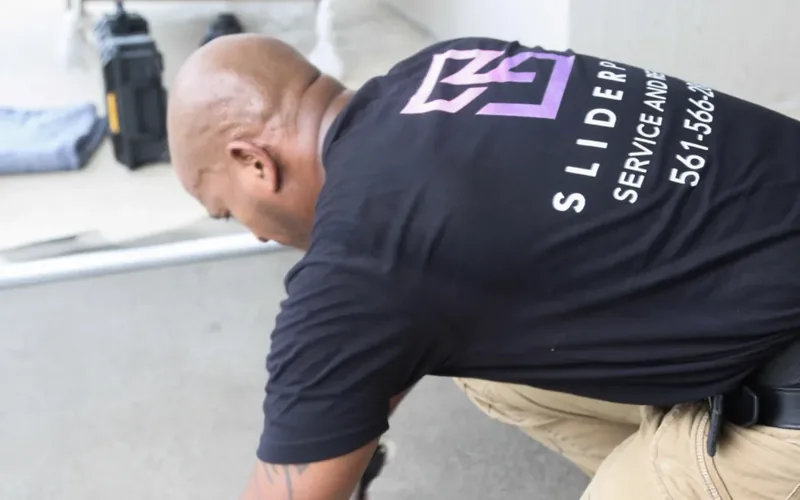
Deep track cleaning, lubrication, alignment, and inspection — the tune-up that keeps small wear from turning into a seized door or a broken roller.
Learn more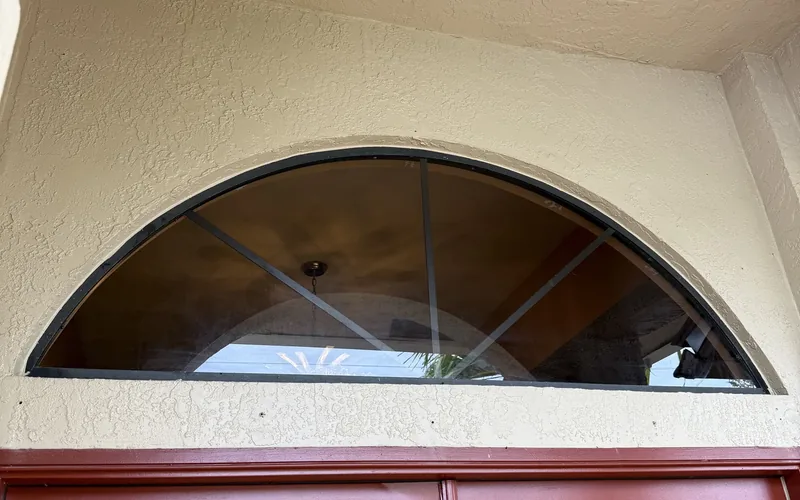
A cracked arch is a glass problem, not a window problem. The new piece is cut to the shape of your existing opening — half-round, quarter-round or circular — so the frame and surround stay put.
Learn more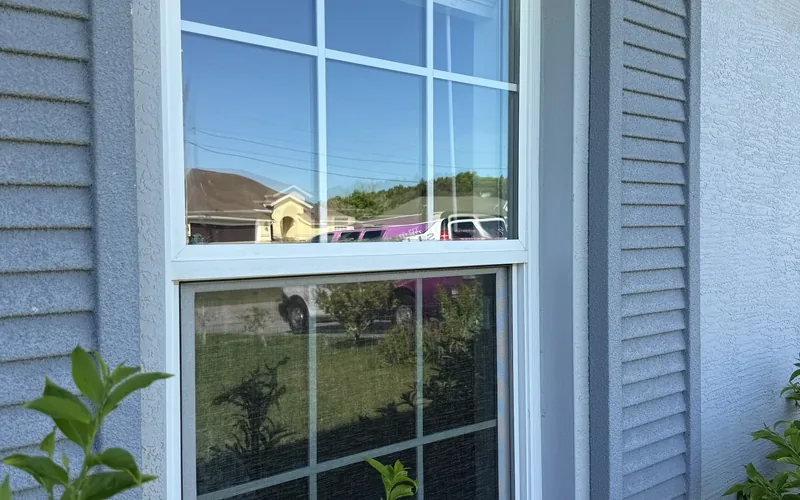
Struck impact glass cracks and stays put — that is the system working. In most cases the sealed unit is replaced inside the original frame, grids and all, instead of the whole window.
Learn moreBeyond one-off repairs, SliderPro offers maintenance plans that keep every slider in the house serviced on a schedule, emergency repairs when a door fails at the worst possible time, and honest DIY consulting — if it's a five-minute fix you can do yourself, we'll tell you so.
Most repairs start at $275, including parts, labor and a 1–3 year warranty. No games, no "call for pricing" runaround — here is exactly what moves the number, so you can read any quote (ours included) like someone who knows the trade.
A standard single-pane panel is a routine lift. Heavy impact glass and oversized doors weigh far more, need heavier-duty roller assemblies, and take longer to handle safely.
Basic replacement wheels cost little and fail on the same short clock as the originals. Sealed stainless bearings cost more and are worth every cent in coastal air.
This is the big one. Rollers caught early are just rollers. Ridden until they gouge the track, and you are paying for track work too — the most avoidable cost in this trade.
A door that lifts out normally is quick. A seized, corroded panel in a salt-exposed condo takes patience, and a second technician when the glass is heavy.
Curved, arched and circular openings, and sealed low-E impact units — both replaced in the existing frame. See how each job was measured and fitted.
Most people arrive here knowing the symptom, not the part. Match what your door is doing to the repair that owns it, and you will know what you are booking before you call.
Sliding windows fail the same way and get the same treatment, so include them when you describe the job.
If two or three of those describe your door, that is normal. One failure drags the next one along: worn rollers drop the panel, the dropped panel misses the lock, and the sagging panel grinds the track. Tell us every symptom and we will work out the order to fix them in.
We are a repair company, so treat this section as us arguing against our own invoice where it is warranted.
Repair wins in the large majority of the doors we see. A slider is a frame, a panel, glass, rollers, a track and a lock, and every one of those except the frame and the glass is a serviceable part. A door that has been fought with for two years usually needs rollers, a track dressed or capped, and a lock realigned, and it comes back to one-finger operation for a fraction of a replacement.
Replacement genuinely wins in four cases, and we will say so on site:
What we will not do is call a repairable door dead. A cloudy pane, a torn screen, a heavy panel and a lock that misses are all repairs, not reasons to buy a door. If you want the arithmetic in detail, the cost guide lays it out, and choosing a door covers what to look for if replacement really is the answer.
Treasure Coast housing came in waves, and each wave put a different door in the wall. Knowing roughly when your house was built tells us what to expect before we arrive.
The one thing every era shares is the environment. Salt aerosol settles on the hardware and, being hygroscopic, holds a damp chloride film on metal even on dry days. That film attacks the passive layer inside a bearing race where nothing ever rinses it, and it turns a steel component sitting in an aluminum track into a small galvanic cell. Add quartz sand, which is harder than aluminum, and every pass of the door laps the surface it rides on. The details are in why Florida doors stick.
This is the question that stalls more balcony sliders than any failure we see. The answer is not fairness and it is not what the neighbor did. It is your declaration.
Three questions settle it, in this order:
Two more points worth knowing. Insurance responsibility and maintenance responsibility are separate questions with separate answers. And anything that changes the look of the door from outside, including a visible auxiliary lock or a different frame finish, usually needs architectural approval before the work, not after it.
Tell us at booking that it is a condo or an association building, and mention any building rules on working hours or elevator use, so the visit is planned around them. The full walkthrough is in who is responsible for a condo sliding door.
Snowbird doors do not fail in season. They fail over the summer, in an empty house, and the owner meets the result in November.
The mechanism is simple. A door that never moves for five months keeps its rollers parked on the same two contact points. The salt film on the hardware stays damp through a humid summer, corrosion products build in the bearing race, and the wheel effectively bonds to its axle at the spot it was resting. Meanwhile the track collects pollen, leaf litter and blown sand through storm season, the weep holes silt up, water sits in the sill instead of draining, and the gasket takes a permanent set against the jamb.
Then someone opens the house and gives the stuck door one hard shove. That is the shove that gouges the track and turns a roller job into a track job.
Two habits prevent nearly all of it. Have someone slide every door in the house a few times a month while you are gone, which keeps the bearings from setting and the gasket from bonding. And book the service either just before you close up or in the first weeks after you return, before the door is forced. Seasonal owners commonly arrange access through family, a neighbor or a property manager, and that works fine on our end.
Rental and second-home owners will also want the rental property checklist, which covers what to hand a manager between guests.
Four steps, and no surprises in the middle of them.
Repairs start at $275, which includes parts, labor and a written 1 to 3 year warranty on both. If we have to come back inside that window for the same fault, that is our problem, not yours.
We cover fourteen cities across six counties, from Orlando in Orange County and Brevard County in the north, down through Indian River, St. Lucie and Martin to northern Palm Beach County.
Address matters more than city limits here. An oceanfront condo, a canal-front house on the Intracoastal and a home a few miles inland get measurably different salt exposure, which changes both what fails and how soon it comes back. Each city page covers the housing stock and the exposure in that town, and our service areas page lists the whole coverage map.
We are a repair company. Rollers, tracks, alignment, locks, screens and glass clean-up are what we do, on doors and on sliding windows. That shapes the advice you get: when a door is worth repairing we repair it, and when it genuinely is not, we tell you plainly and we have nothing to sell you on the other side of that sentence. Most of the doors homeowners assume are finished are not. A heavy panel, a lock that misses and a torn screen are three ordinary repairs, not evidence that the door has reached the end of its life.
Most repairs start at $275, and that figure includes the parts, the labor and a written 1 to 3 year warranty on both. Compare that against quotes carefully, because a lower headline number often covers the visit only, with parts, hardware and any track work added afterward. What moves our number is panel weight, hardware grade, how long the fault has been left, and access. The last one is the big variable: rollers caught early are just rollers, while rollers ridden until they gouge the sill mean you are paying for track work as well.
Yes. Around 96% of our jobs are finished in a single visit, and same-day service is available. The way to keep your job in that group is to tell us everything the door is doing when you book, and roughly how old the house is. Symptoms and build era together tell us which rollers, which lock bodies and which track hardware to load before we leave the shop. The jobs that need a second visit are usually the ones where an obsolete part has to be matched by pattern, or where the panel turns out to need work nobody could see from the room side.
Yes, and it usually needs to be. A laminated impact panel weighs two to three times what a single-pane panel weighs, which is exactly why its rollers wear fast and why the panel drops enough to miss the lock keeper. The repair is straightforward but the hardware specification is not optional: an impact door needs heavy-rated tandem rollers, and a standard replacement wheel fitted to that weight will fail again inside a year. Heavy panels also need to come out safely, which is a two-technician job on the larger sizes rather than something to attempt alone.
Usually. A sill that has been scored by a collapsed roller can often be cleaned, dressed and fitted with a stainless track cover, which gives the new rollers a smooth surface to ride on and stops the wear cycle restarting. What cannot be covered over is a sill worn through, or a bottom rail split where the roller housing seats, because the new hardware has nothing sound to hold adjustment against. We will tell you which of the two you have before quoting rather than after. Track damage is also the single most avoidable cost in this trade, and it is why we push early roller replacement.
Yes, and it helps to sort out authorization before you book. Whether the association or the unit owner pays for a balcony slider depends on your declaration, not on the type of door, so check the maintenance article and confirm who signs off. Anything that changes the look of the door from outside, including a visible auxiliary lock, generally needs architectural approval first. When you call, mention that it is an association building and flag any rules on working hours, parking or elevator use so the visit gets planned around them. The full explanation is in our condo and HOA responsibility guide.
Yes. Seasonal owners usually arrange access through family, a neighbor or a property manager, and that works fine for us. The better question is timing. Doors in empty houses fail over the summer rather than in season, because five months without movement lets corrosion set in the bearings while the track silts up and the weep holes block. Book either shortly before you close the house up or in the first weeks after you return, before someone forces a stuck door. One hard shove on a seized panel is what turns a roller repair into a track repair.
Yes. A sliding window is the same machine at smaller scale, and it fails the same way: rollers or slide pads wear, the sash drops, the latch stops meeting its keeper, the track fills with sand, and the weep holes block so water stands in the sill. We service the hardware, clean and dress the tracks, correct the alignment and check the locks, on the same visit as the doors if you want it done together. Include the window count when you call so the visit is scheduled with enough time on it.
Yes. Every repair carries a written warranty of 1 to 3 years covering both parts and labor, and the term depends on the hardware fitted. That matters more here than it would in a dry climate, because a warranty is really a statement about part quality: budget rollers fail on roughly the same short clock as the originals they replaced, and nobody warranties them for years. If a fault we repaired comes back inside the warranty window, we come back and deal with it. Ask for the terms in writing from any contractor, including us.
Plain language beats technical guesses. Tell us what the door does rather than what you think is broken: heavy with two hands, grinding, jumping, will not latch unless you lift it, torn mesh, water standing in the track. Then add three things that shape the visit: how many doors and windows you want looked at, roughly when the house was built, and how close you are to open water. Those three tell us which era of hardware to bring and how corroded to expect it to be. If you are not sure, the symptom router near the top of this page will point you at the right service page first.
Describe the symptom — sticking, grinding, gaps, a latch that won't catch — and we'll tell you what's likely wrong and what it costs to fix.